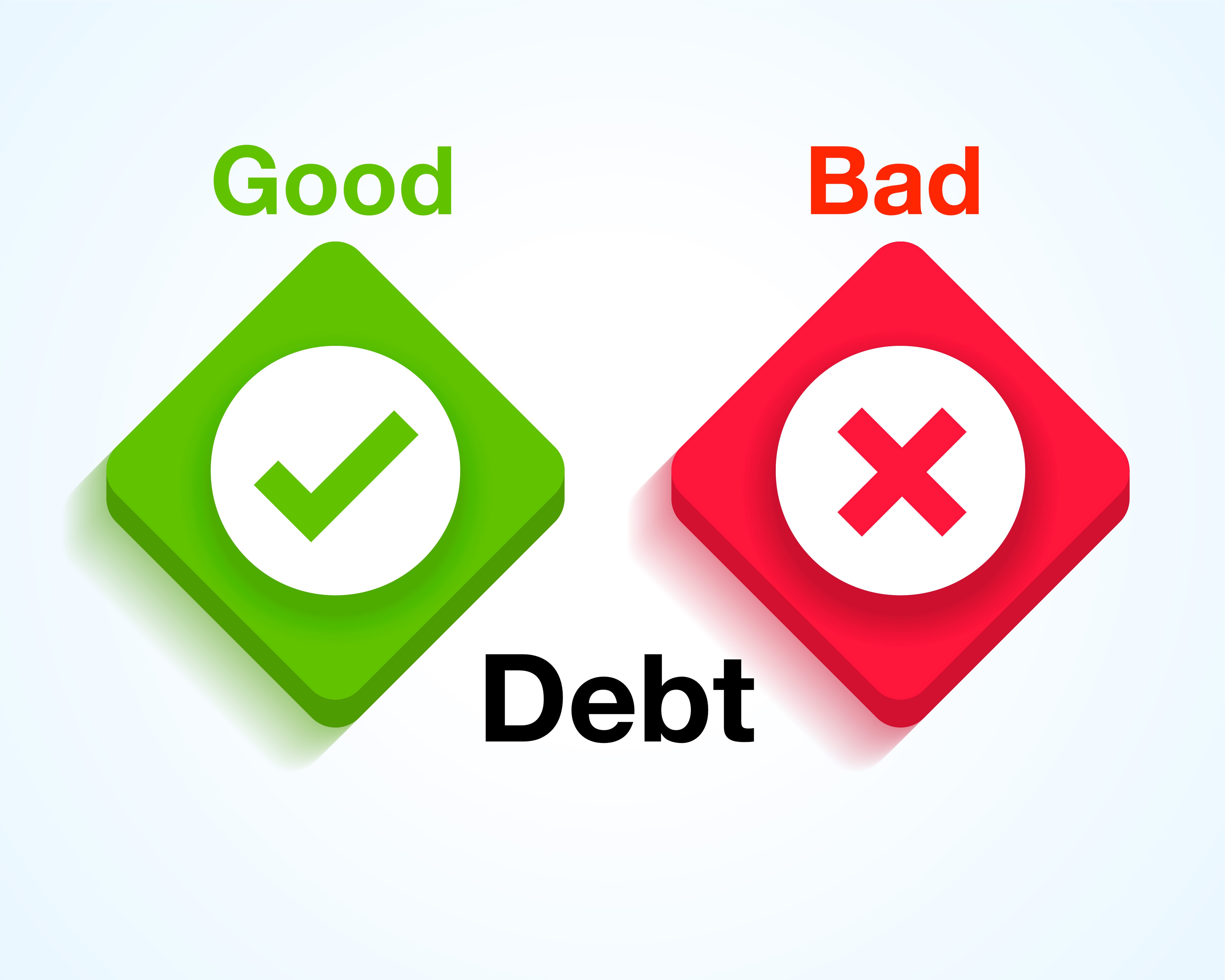
Difference Between Good Debt & Bad Debt September 2, 2025 12:56 pm Not all debt is created equal. While some types of debt can weigh you down and limit financial growth, others can actually be used as a tool to build wealth. The key is understanding the difference between good debt vs bad debt and knowing how to leverage the right kind of debt to your advantage. For entrepreneurs and business owners, this distinction is critical. Used strategically, good debt can unlock funding, fuel business growth, and build long-term financial independence. Misused, bad debt can quickly drain resources and damage credit. Understanding Debt: The Basics Debt, at its simplest, is borrowed money that must be repaid with interest. The impact of debt depends not just on the amount borrowed, but on how that money is used, what kind of return it generates, and how it’s managed. What Is Good Debt? Good debt is borrowing that leads to long-term value or income generation. It can increase your net worth, boost earning potential, or create assets. Examples of good debt include: Student loans (when education increases earning potential) Business loans or credit (used for expansion and revenue growth) Real estate mortgages (for property that appreciates or produces rental income) Why Good Debt Matters When managed correctly, good debt creates opportunities that may not have been possible with savings alone. It allows you to invest in your future and generate returns that outweigh the cost of borrowing. What Is Bad Debt? Bad debt is borrowing that does not create future value and often leads to financial strain. It typically funds depreciating assets or consumption without return. Examples of bad debt include: High-interest credit card debt (used for non-essential purchases) Payday loans Auto loans for luxury cars (vehicles lose value quickly) Why Bad Debt Hurts Bad debt often carries high interest rates and creates a cycle of repayment without any wealth-building benefit. Over time, it limits financial flexibility and damages credit. Good Debt vs Bad Debt: Key Differences Factor Good Debt Bad Debt Purpose Builds wealth, generates income Funds consumption or depreciating assets Return Long-term value, positive ROI No return, often negative ROI Impact Improves credit profile if managed well Hurts credit profile Examples Student loans, mortgages, business loans High-interest credit cards, payday loans How Entrepreneurs Can Leverage Good Debt For entrepreneurs, good debt can be the bridge between a business idea and long-term success. Using credit strategically allows you to: Access funding for growth opportunities Build credibility with lenders Diversify investments in income-generating assets This is where Credit Leverage X comes in — helping entrepreneurs separate good debt from bad and create strategies that transform credit into wealth. Key Takeaways Good debt builds assets and income potential, while bad debt drains resources. Entrepreneurs can use good debt to scale businesses, invest, and build wealth. Recognizing the difference ensures smarter financial decisions. Guidance from experts like Credit Leverage X can help maximize the benefits of good debt. Ready to Leverage Your Credit? Book a no-cost strategy call and get expert guidance, personalized solutions, and real opportunities to move your goals forward. Book A Free Funding Consultation Frequently Asked Questions What is an example of good debt? Student loans, mortgages, or business loans that create long-term value. Why is credit card debt considered bad debt? Because it typically funds consumption, carries high interest, and doesn’t generate returns. Can debt ever help build wealth? Yes — good debt can be used to fund investments, education, or businesses that increase income. How do I know if my debt is good or bad? Ask: Does this debt create long-term value or income? If not, it’s likely bad debt. Can Credit Leverage X help manage debt? Yes — they help clients structure credit, reduce bad debt, and leverage good debt for wealth building. Related Topics Credit Building Funding & Financing Business Growth & Mentorship Business Credit Education Investment Opportunities Myths & Mistakes Success Stories & Testimonials Take Control of Your Finances A better credit score starts with the right strategy. Let Credit Leverage X help you take control of your finances, improve your credit, and unlock the funding you deserve. Start Your Credit Strategy Recent Articles Difference Between Good Debt & Bad Debt Credit Score 101: How to Improve & Maintain a Strong Credit Profile What Is Credit Leverage and How Can It Build Wealth? Real Estate Investment Tips for First-Time Buyers Understanding Personal Loans: What You Need to Know Funding Myths That Are Holding You Back What is Business Credit and Why It Matters Credit Repair Strategies That Actually Work

Credit Score 101: How to Improve & Maintain a Strong Credit Profile
Credit Score 101: How to Improve & Maintain a Strong Credit Profile September 2, 2025 3:11 am Your credit score isn’t just a number — it’s your financial reputation. A strong score opens doors to better loan terms, higher approval rates, and greater financial flexibility. For entrepreneurs, it’s the key to unlocking business funding and building long-term wealth. In this guide, we’ll break down the essentials of how to improve your credit score and the steps needed to maintain it, ensuring you’re always “fundable” in the eyes of lenders and investors. Understanding Credit Scores What a Credit Score Is A credit score is a numerical representation of your creditworthiness, typically ranging from 300 to 850. Lenders use it to assess risk before approving loans, credit cards, or funding opportunities. Factors That Impact Your Credit Score Payment history (35%) — On-time payments are the most critical factor. Credit utilization (30%) — The ratio of credit used vs. available credit. Length of credit history (15%) — Older accounts help build trust. Credit mix (10%) — A variety of credit types (cards, loans, mortgages). New credit (10%) — Frequent applications can lower your score. How to Improve Your Credit Score Step 1: Pay Bills on Time Late payments severely damage credit. Set up autopay or reminders to ensure consistent, on-time payments. Step 2: Lower Credit Utilization Keep utilization below 30% of your total available credit. Paying down balances or requesting credit limit increases can help. Step 3: Diversify Credit Mix Having a blend of installment loans (auto, mortgage) and revolving credit (cards) shows lenders you can handle multiple types of debt responsibly. Step 4: Dispute Errors on Credit Reports Mistakes happen — and they can cost you points. Request free reports from all three bureaus (Equifax, Experian, TransUnion) and dispute inaccuracies. Maintaining a Strong Credit Profile Long-Term Improving your score is only half the battle — maintaining it ensures future opportunities. Practices like keeping old accounts open, limiting new credit applications, and monitoring your credit regularly are key. Common Mistakes to Avoid Closing old accounts (it shortens credit history). Making minimum payments only (interest builds, utilization rises). Applying for multiple lines of credit at once (hard inquiries hurt). Ignoring your credit report. When to Seek Expert Support Managing your credit score can feel overwhelming — but you don’t have to do it alone. Credit Leverage X specializes in helping entrepreneurs build strong credit profiles, secure funding, and transform credit into wealth-building opportunities. 👉 Book a free consultation today with Credit Leverage X and take control of your credit future. Key Takeaways Improving your credit score requires consistent on-time payments and lowering utilization. Diversifying your credit mix and disputing errors can boost your score. Maintaining good credit habits long-term ensures financial opportunities. Expert guidance can accelerate the process and keep you on track. Ready to Leverage Your Credit? Book a no-cost strategy call and get expert guidance, personalized solutions, and real opportunities to move your goals forward. Book A Free Funding Consultation Frequently Asked Questions How fast can I improve my credit score? It depends — some changes like paying down utilization can show results in 30–60 days, while others (like rebuilding payment history) take longer. Does checking my credit score hurt it? No — checking your own score is a soft inquiry and has no impact. Only hard inquiries (from lenders) affect your score. Can I recover from a low credit score? Yes — with consistent positive habits and time, even severely damaged credit can improve. Is it better to pay off debt or leave a small balance? Paying off balances completely is generally best. Carrying a balance only costs you in interest. What score do I need for business funding? Lenders often prefer scores above 680, but Credit Leverage X helps clients structure funding strategies regardless of starting point. Related Topics Credit Building Funding & Financing Business Growth & Mentorship Business Credit Education Investment Opportunities Myths & Mistakes Success Stories & Testimonials Take Control of Your Finances A better credit score starts with the right strategy. Let Credit Leverage X help you take control of your finances, improve your credit, and unlock the funding you deserve. Start Your Credit Strategy Recent Articles Credit Score 101: How to Improve & Maintain a Strong Credit Profile What Is Credit Leverage and How Can It Build Wealth? Real Estate Investment Tips for First-Time Buyers Understanding Personal Loans: What You Need to Know Funding Myths That Are Holding You Back What is Business Credit and Why It Matters Credit Repair Strategies That Actually Work Benefits of Working with a Financial Mentor

What Is Credit Leverage and How Can It Build Wealth?
Credit leverage is one of the most powerful — yet often misunderstood — tools in entrepreneurship and wealth building. At its core, credit leverage means using credit strategically to access capital, build assets, and create long-term financial independence. When managed properly, it can be the foundation for scaling a business, funding investments, and achieving financial freedom.