Credit Building & Education

Building and protecting your credit is one of the most important steps toward financial freedom. Whether you’re starting from zero, rebuilding after setbacks, or aiming to push your score into the excellent range, the right education makes all the difference.

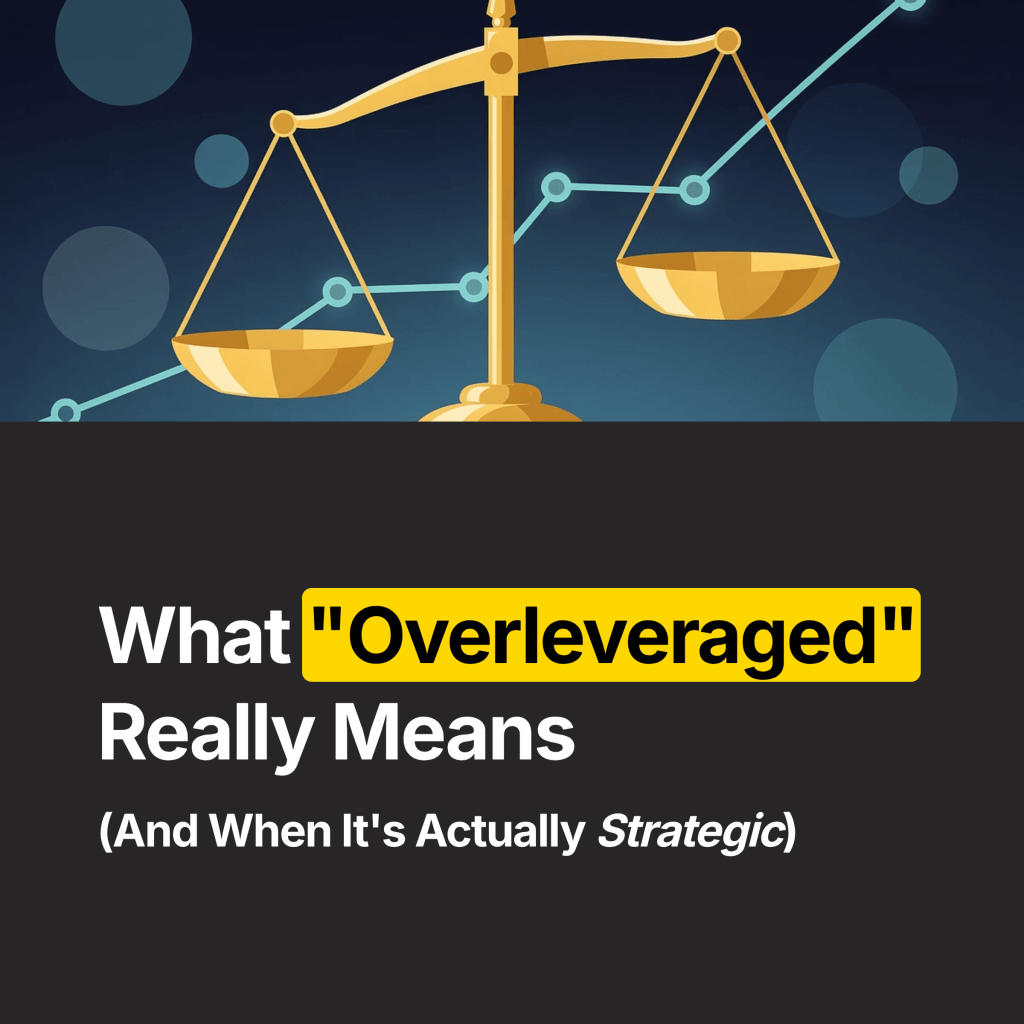
At Credit Leverage X, we believe credit isn’t just a number — it’s a tool. With the right strategies, you can leverage your credit profile to unlock funding, secure better interest rates, and open doors to opportunities that accelerate your wealth-building journey.

On this page, you’ll find comprehensive guides, step-by-step tutorials, and expert insights on everything related to credit building and responsible credit management.

A diverse group of professionals engaging in a team meeting with laptops and discussions in a modern office setting.

Featured Article

The Complete Guide to Building Personal Credit in 2025 - From 0 to 800 plus

The Complete Guide to Building Personal Credit in 2025: From 0 to 800+

Building strong personal credit is the first step toward financial freedom and entrepreneurial success. In this complete 2025 guide, Credit Leverage X explains how to grow your score from 0 to 800+ with beginner-friendly strategies, advanced credit hacks, and proven steps to avoid costly mistakes. Learn how to transition from personal to business credit and unlock $50,000–$250,000+ in funding opportunities.

Recent Articles

Frequently Asked Questions

How do I start building credit if I have no history at all?

You can start by applying for a secured credit card, becoming an authorized user on someone else’s account, or using credit-builder loans. These tools help you establish your first positive credit history.

How long does it take to build good credit from scratch?

On average, it takes 3–6 months to generate a score and 12–24 months of consistent positive behavior to reach “good” credit (typically 680+).

What is the fastest way to improve my credit score?

Pay down credit card balances (reduce utilization), make all payments on time, and dispute any errors on your credit report. These actions can move the needle quickly.

How much does payment history affect my credit score?

Payment history makes up 35% of your FICO score, making it the single most important factor. Even one late payment can hurt your score significantly.

What’s the difference between a hard inquiry and a soft inquiry?

A hard inquiry happens when a lender checks your credit for approval (e.g., applying for a loan or card) and can impact your score slightly. Soft inquiries (like checking your own credit) do not affect your score.

Should I close old credit accounts I no longer use?

Closing accounts can reduce your overall credit history length and available credit, which may hurt your score. Unless the account has high fees, it’s often better to keep it open.

Can paying rent or utilities help build my credit?

Yes — certain services allow rent and utility payments to be reported to the credit bureaus. This can help you build a positive payment history.

What’s a “good credit mix,” and why does it matter?

Credit mix refers to the variety of accounts you have (credit cards, loans, mortgages). A diverse mix makes up about 10% of your score and shows lenders you can handle different types of credit responsibly.

How do student loans affect my credit?

Student loans are installment accounts. Paying them on time helps your credit, but missed or late payments can hurt your score for years.

How do I protect my credit from identity theft?

Monitor your credit regularly, set up fraud alerts, use strong passwords, and freeze your credit with the bureaus if needed. If fraud occurs, dispute it immediately and file an identity theft report.

© Credit Leverage X 2025 ©. Credit Leverage X is a registered trade name of Marvel Solutions, LLC. All Rights Reserved.