Disclaimer: This article is for educational purposes only and should not be considered financial, legal, or investment advice. Credit Leverage X does not guarantee specific outcomes. Always consult with a licensed financial professional before making credit-related decisions.
Moving from a fair credit score into the excellent range in just 12 months may sound ambitious, but with the right strategy, it’s absolutely achievable.
Credit scores are not fixed; they’re dynamic, reflecting how you handle debt, payments, and overall credit responsibility. Whether you’re starting with a 580–669 (Fair) score or sitting just below “Good,” the right combination of habits and tactics can push you into the 740–850 Excellent range — where lenders give you the best terms, highest approvals, and the lowest rates.
In this guide, we’ll break down a month-by-month roadmap that shows you exactly how to get there, along with the role Credit Leverage X can play in helping you turn an excellent score into real funding and wealth opportunities.
Here’s why aiming for excellent credit is worth the effort:
Lower Interest Rates: On mortgages, auto loans, and credit cards.
Higher Credit Limits: More spending power with lower utilization.
Better Loan Approvals: From personal loans to business funding.
Access to Premium Products: Rewards cards, elite financing, and exclusive programs.
Foundation for Business Credit: Personal credit strength is the key to unlocking six-figure funding.
👉 Going from fair to excellent isn’t just about bragging rights — it’s about saving thousands and opening doors to new opportunities.
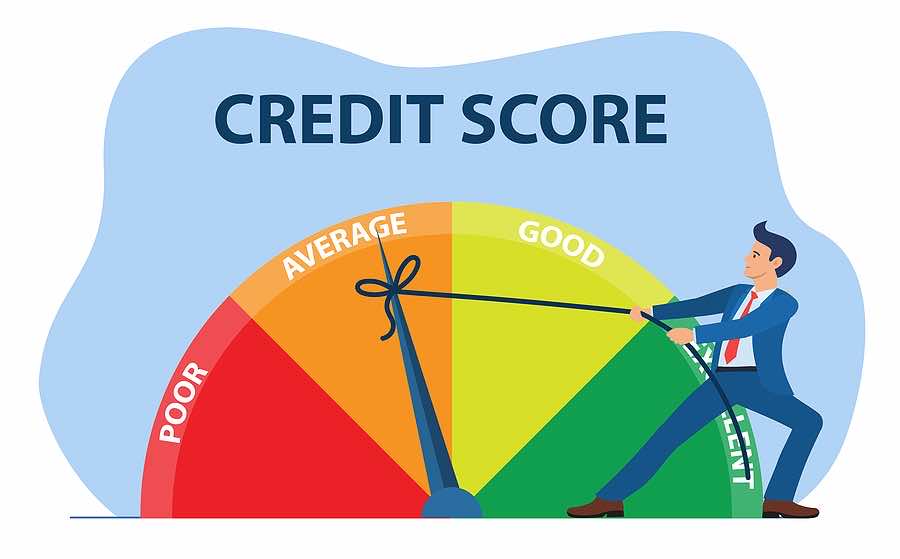
Fair Credit: 580–669
Good Credit: 670–739
Very Good: 740–799
Excellent Credit: 800–850
Your mission over the next 12 months is to move up at least 100–150 points through consistent, strategic actions.
Pull Reports: Get free reports from AnnualCreditReport.com.
Dispute Errors: Incorrect late payments or collections can drag your score down.
Pay Off Collections (Strategically): Focus on recent or high-impact collections first.
👉 Goal: Start with a clean slate so new positive actions build faster.
Set Up Automatic Payments: Avoid missed payments, which account for 35% of your score.
Add Rent & Utilities: Use tools like Experian Boost or RentTrack to report non-traditional payments.
Get a Secured or Starter Card: If you have limited accounts, this builds history fast.
👉 Goal: Establish a strong on-time payment track record.
Pay Balances Strategically: Use the 15/3 credit card trick to reduce reported balances.
Request Credit Limit Increases: Raises limits → lowers utilization.
Consider a Small Installment Loan: Adding a personal or credit-builder loan improves your credit mix.
👉 Goal: Get utilization below 10% and diversify accounts.
Add a Second or Third Card: Look for rewards or cashback cards designed for good credit.
Authorized User Hack: Become an authorized user on a long-standing, low-utilization account.
Keep Old Accounts Open: Even if unused, age strengthens your score.
👉 Goal: Build depth and age into your credit profile.
Monitor Reports Monthly: Watch for errors or new negative items.
Avoid Hard Inquiries: Don’t apply for unnecessary accounts before major funding.
Pay Down Aggressively: Aim for <5% utilization before statements close.
👉 Goal: Cross into excellent credit territory (740–800+) by the end of the year.
Closing Old Accounts: Shortens history.
Carrying Balances for “Growth”: A myth that hurts more than helps.
Maxing Out Cards: Even temporarily, this crushes utilization.
Too Many Applications: Each hard inquiry lowers your score.
Once you’ve built excellent credit, don’t just let it sit — leverage it. At Credit Leverage X, we guide clients to:
Transition from personal to business credit profiles.
Build a Paydex score with vendor accounts.
Secure $50,000–$250,000+ in business funding.
Apply that funding into eCommerce, AI trading, and digital campaigns.
👉 This is how good credit transforms from a number into long-term wealth-building power.
Moving from fair to excellent credit in 12 months is possible with a step-by-step plan.
Focus on payment history, utilization, and building depth into your profile.
Avoid common mistakes like closing accounts or chasing too many inquiries.
Excellent credit is the gateway to better terms, higher approvals, and business funding leverage.
With Credit Leverage X, your personal credit journey becomes the foundation for entrepreneurial wealth.
Book a no-cost strategy call and get expert guidance, personalized solutions, and real opportunities to move your goals forward.
Get StartedYes, with disciplined strategies, many people see 100+ point jumps in a year.
No, 740+ is typically enough to unlock strong approvals.
Not necessarily — keeping small balances reported (but under 5%) can help.
No, it usually lowers your score by reducing history and limits.
We guide clients into business credit funding strategies that turn excellent credit into six-figure opportunities.
A better credit score starts with the right strategy. Let Credit Leverage X help you take control of your finances, improve your credit, and unlock the funding you deserve.
Start Your Credit Strategy




Subscribe now to keep reading and get access to the full archive.