Disclaimer: This article is for educational purposes only and does not constitute financial, legal, or tax advice. Credit Leverage X (CLX) provides education and mentorship to help entrepreneurs responsibly access and manage business funding opportunities.
Every business owner dreams of getting approved for funding—but few understand what actually drives a lender’s decision. Approval isn’t random; it’s based on specific, measurable factors that determine how much risk your business represents.
In 2025, as lending becomes more automated through AI and data-driven underwriting, lenders rely on fundability signals—indicators that show your business is legitimate, financially stable, and trustworthy.
At Credit Leverage X (CLX), we teach clients how to align their business profiles with these signals to consistently secure $50K–$250K+ in funding at low or even 0% interest. This guide breaks down exactly what lenders look for—and how to position your business for success.
Before diving into what lenders want, it’s important to understand why so many applications are denied. Often, the problem isn’t the business model—it’s the setup.
Common red flags include:
These issues raise risk signals that trigger automatic rejections. The good news? Every one of them is fixable.
While every lender has unique underwriting criteria, most base their decisions on five primary pillars of fundability.
Lenders verify that your company is real, established, and verifiable. They check whether your business has:
✅ A registered LLC or corporation (not a sole proprietorship)
✅ An EIN (Employer Identification Number) from the IRS
✅ A business address, website, and phone number
✅ Matching business information across all applications
If any of these don’t line up—for example, if your EIN and bank account have different addresses—it can raise red flags and slow or block funding approval.
CLX Tip: Treat your business like a real entity from day one. A structured and consistent profile builds lender confidence instantly.
Lenders want to see a steady flow of business income. This doesn’t always mean massive revenue—just predictable transactions that suggest healthy operations.
They analyze your business bank account for:
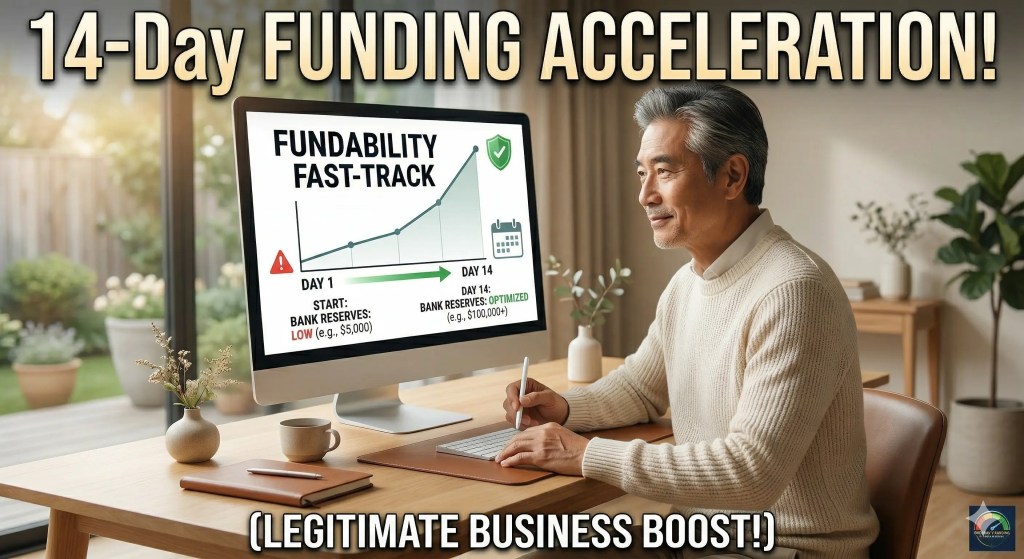
If your business account is empty or brand-new, it’s harder to justify risk. Maintaining even $2,000–$5,000 in average monthly activity can make a big difference.
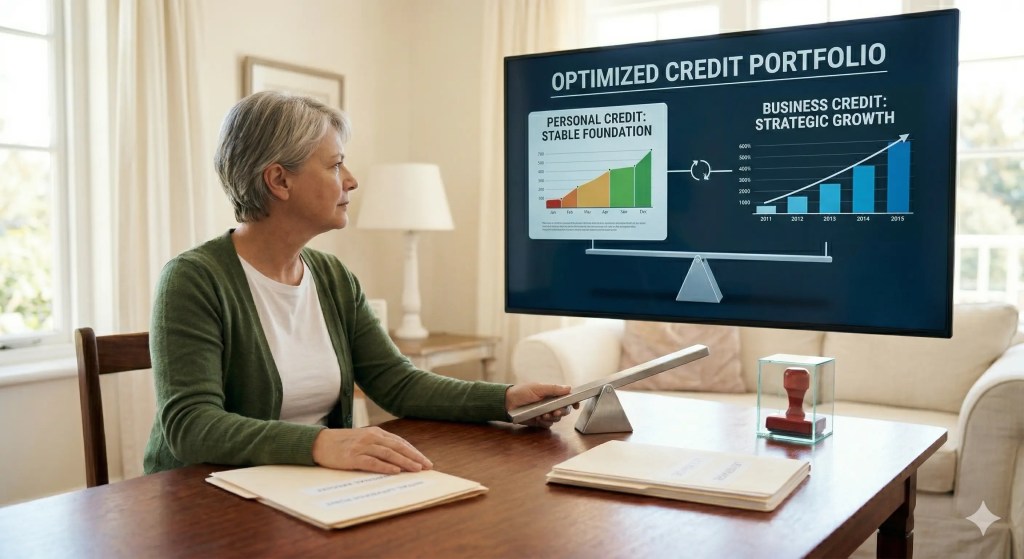
Most funding programs consider both personal and business credit—especially for newer companies.
Personal Credit Factors:
Business Credit Factors:
If your business is too new to have its own credit, lenders rely more heavily on your personal credit as a “personal guarantee.” Once your business credit matures, you can transition to EIN-only approvals.
Lenders verify that your numbers make sense. Depending on the type of funding, they may request:
For new businesses, fintech lenders may accept bank data integration instead of paperwork. The key is transparency—your documentation should clearly show your ability to handle and repay credit.
Not all industries are viewed equally. Sectors like construction, cannabis, or adult entertainment are considered higher risk, while consulting, e-commerce, and SaaS are typically safer bets.
When asked about funding use, be specific. Lenders prefer investments that fuel growth, not cover personal or unrelated expenses. Examples include:
CLX Tip: Always position your funding request around scalability, not survival. “We’re expanding” sounds much more fundable than “we’re struggling.”
The secret to getting approved faster is strengthening all five pillars simultaneously. Here’s how:
Pillar | What Lenders Check | How to Strengthen It |
Structure | Business legitimacy | Form an LLC, get EIN, match info |
Banking | Consistent deposits | Maintain activity and balances |
Credit | Personal & business credit history | Build both with strategic vendors |
Documentation | Proof of income & operations | Keep organized records |
Purpose | How funds will be used | Align requests with growth goals |
At CLX, we help entrepreneurs align these elements to present a complete, risk-free profile that lenders trust.
Here are three lesser-known factors that influence your approval odds:
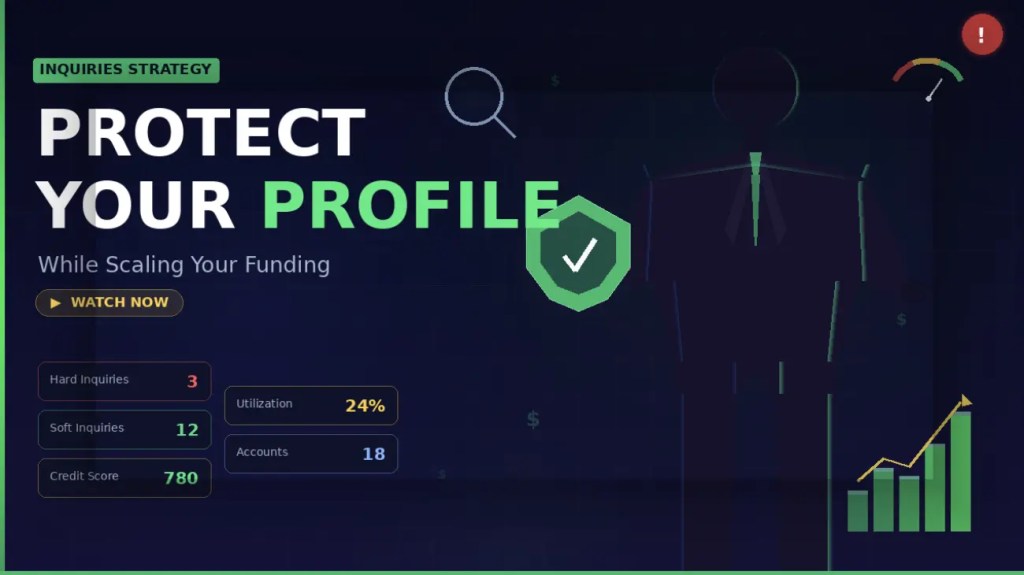
Application Timing: Applying for too many accounts in a short window can signal desperation. CLX uses credit stacking to minimize inquiries.
With the right preparation, even a new business can unlock $50K–$250K+ in approvals through CLX’s strategic credit leverage system.
Book a no-cost strategy call and get expert guidance, personalized solutions, and real opportunities to move your goals forward.
Get StartedMost lenders prefer a score of 680 or higher, though some fintech programs can approve as low as 620 with strong fundability.
Yes. Proper structure, a business bank account, and early vendor credit can qualify you for funding within 90 days of formation.
Initially, yes. Most small business funding involves a personal guarantee until the business credit matures.
Set up your LLC professionally, use consistent business details, and maintain active bank transactions and reporting accounts.
CLX provides mentorship, lender connections, and step-by-step guidance to help entrepreneurs qualify for 0% APR funding and scale safely.
A better credit score starts with the right strategy. Let Credit Leverage X help you take control of your finances, improve your credit, and unlock the funding you deserve.
Start Your Credit Strategy



Subscribe now to keep reading and get access to the full archive.