Disclaimer: This article is for educational purposes only and should not be taken as financial, legal, or investment advice. Credit Leverage X does not guarantee specific credit outcomes. Always consult a licensed financial professional before making financial decisions.
One of the most common questions in personal finance circles is: “Has anyone ever had a 900 credit score?”
The short answer: No — at least not within mainstream scoring models like FICO and VantageScore.
Why? Because the maximum credit score for most models is 850, not 900. Despite this, the myth of a “perfect 900 score” persists online. Understanding why can help you focus less on chasing perfection and more on building a strong, sustainable score that opens real financial opportunities.
In this guide, we’ll cover:
Why 900 isn’t possible (and what the actual maximum is).
What it really takes to achieve a perfect 850.
Why you don’t need a perfect score to unlock the best credit opportunities.
How to shift from building personal credit to accessing business credit leverage with Credit Leverage X.
Both FICO Score and VantageScore — the two most widely used credit scoring systems in the U.S. — cap their scoring models at 850.
FICO Score Range: 300–850
VantageScore Range: 300–850
So while you may hear about a mythical 900 score, lenders and bureaus do not issue scores beyond 850.
👉 If you’ve seen ads or credit-monitoring apps mention 900, it’s usually a marketing gimmick or a custom scoring model not used in lending decisions.
While 900 isn’t possible, achieving an 850 is extremely rare. According to FICO data:
Fewer than 1% of consumers have an 850 score.
Most borrowers with “excellent” credit fall in the 800–849 range.
Interestingly, an 850 isn’t required to qualify for the best loan terms. In most cases, scores above 760–780 unlock the same rates and approvals as someone with a perfect 850.
Even if 900 is impossible, understanding what affects your score is crucial:
Payment History (35%) – On-time payments are the single most important factor.
Credit Utilization (30%) – Keep balances under 30%, ideally under 10%.
Length of Credit History (15%) – The longer your accounts are open, the better.
Credit Mix (10%) – A healthy blend of revolving (credit cards) and installment loans (mortgages, auto, student loans).
New Credit Inquiries (10%) – Too many recent applications can lower your score.
Here’s the truth: there’s no practical benefit to a 900 score (even if it existed) or even a perfect 850.
Mortgage lenders usually offer the best terms once you pass 760–780.
Auto loans and credit cards also group approvals in tiers, not by exact points.
Whether you’re at 780 or 850, you’ll likely get the same interest rates and credit limits.
👉 The goal isn’t perfection. The goal is to hit the “excellent credit” tier where lenders give you maximum trust.
Myth 1: You need to carry a balance to build credit.
Truth: Carrying a balance costs interest. Paying in full is best.
Myth 2: Closing old accounts improves your score.
Truth: Closing accounts reduces credit age and utilization, often lowering your score.
Myth 3: Only people with perfect credit get approved for business funding.
Truth: Strong (but not perfect) credit is enough to unlock major opportunities with the right strategies.
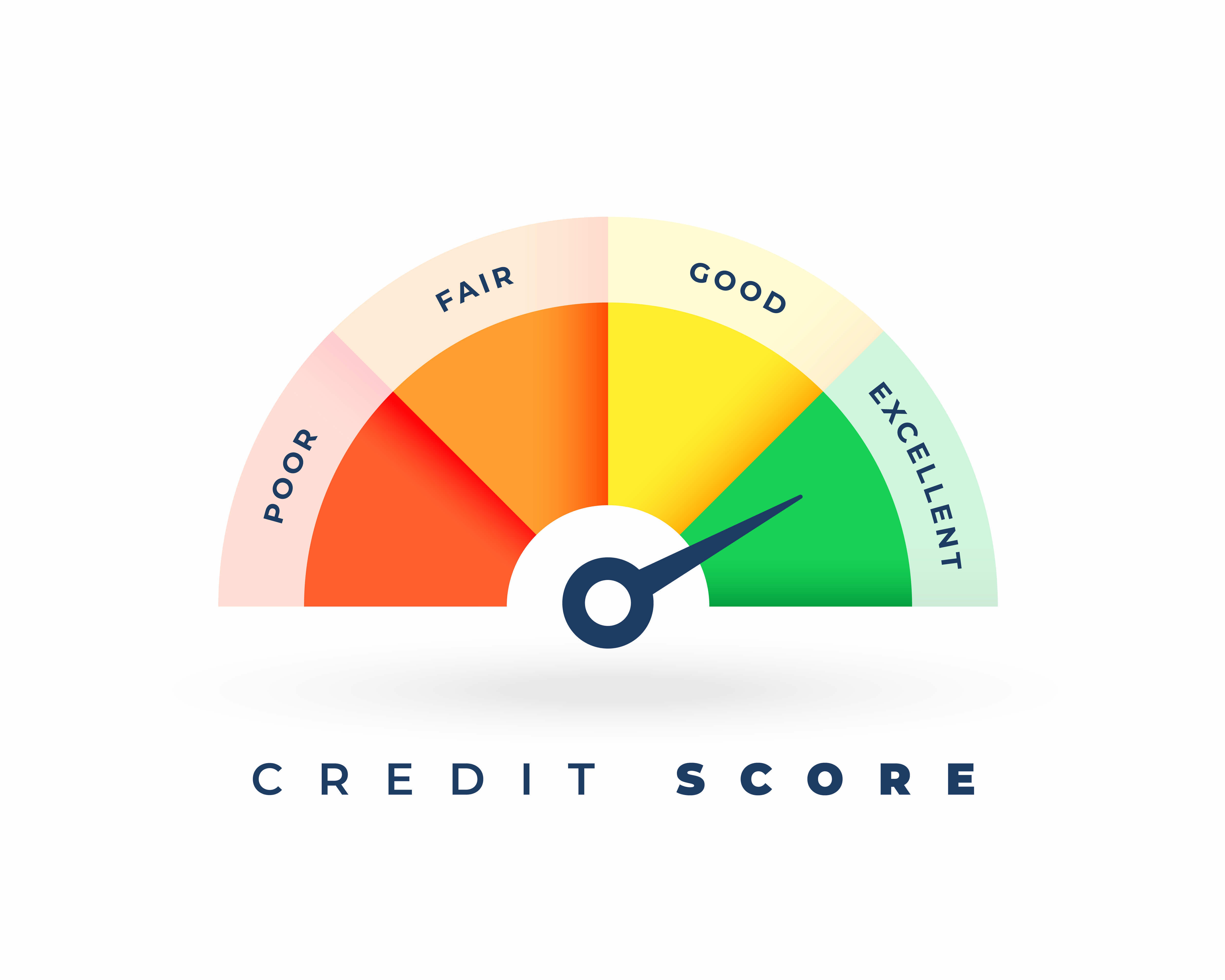
700+ Score: Considered good; strong approval odds for most credit cards and auto loans.
740+ Score: Very good; unlocks better mortgage rates.
780+ Score: Excellent; same benefits as 800–850 without needing perfection.
👉 Aim for 700+ as the stability point and 750+ for top-tier approvals. Beyond that, focus on leveraging your credit, not obsessing over a few points.
At Credit Leverage X, we emphasize that credit is a tool, not a trophy. Having a high score is great — but the true power comes from what you do with it.
Our strategies help clients:
Transition into business credit profiles with Paydex scores.
Access $50,000–$250,000+ in business funding.
Use funding for eCommerce, digital marketing, AI-driven assets, or other scalable wealth-building strategies.
So instead of chasing an impossible 900 score, focus on credit leverage — where strong credit becomes the gateway to wealth.
A 900 credit score does not exist in mainstream models (FICO & VantageScore cap at 850).
Less than 1% of people ever achieve 850, but you don’t need it.
Scores above 760–780 unlock the same approvals and best loan terms as a perfect score.
The goal isn’t a number — it’s using credit strategically to unlock opportunities.
With Credit Leverage X, strong personal credit transforms into business credit and wealth-building tools.
Book a no-cost strategy call and get expert guidance, personalized solutions, and real opportunities to move your goals forward.
Get StartedNo, mainstream credit models max out at 850.
No. Most lenders give top terms to borrowers with 760–780+.
Maintaining low utilization, long history, and on-time payments.
If you’re above 700, you’re financially stable. Above 750, you’re in top-tier approval ranges.
We help clients turn good/excellent credit into business credit funding, opening doors to wealth strategies.
A better credit score starts with the right strategy. Let Credit Leverage X help you take control of your finances, improve your credit, and unlock the funding you deserve.
Start Your Credit Strategy





Subscribe now to keep reading and get access to the full archive.